
Journalist Training Programme on Climate Change and Migration @International Centre for Integrated Mountain Development (ICIMOD)
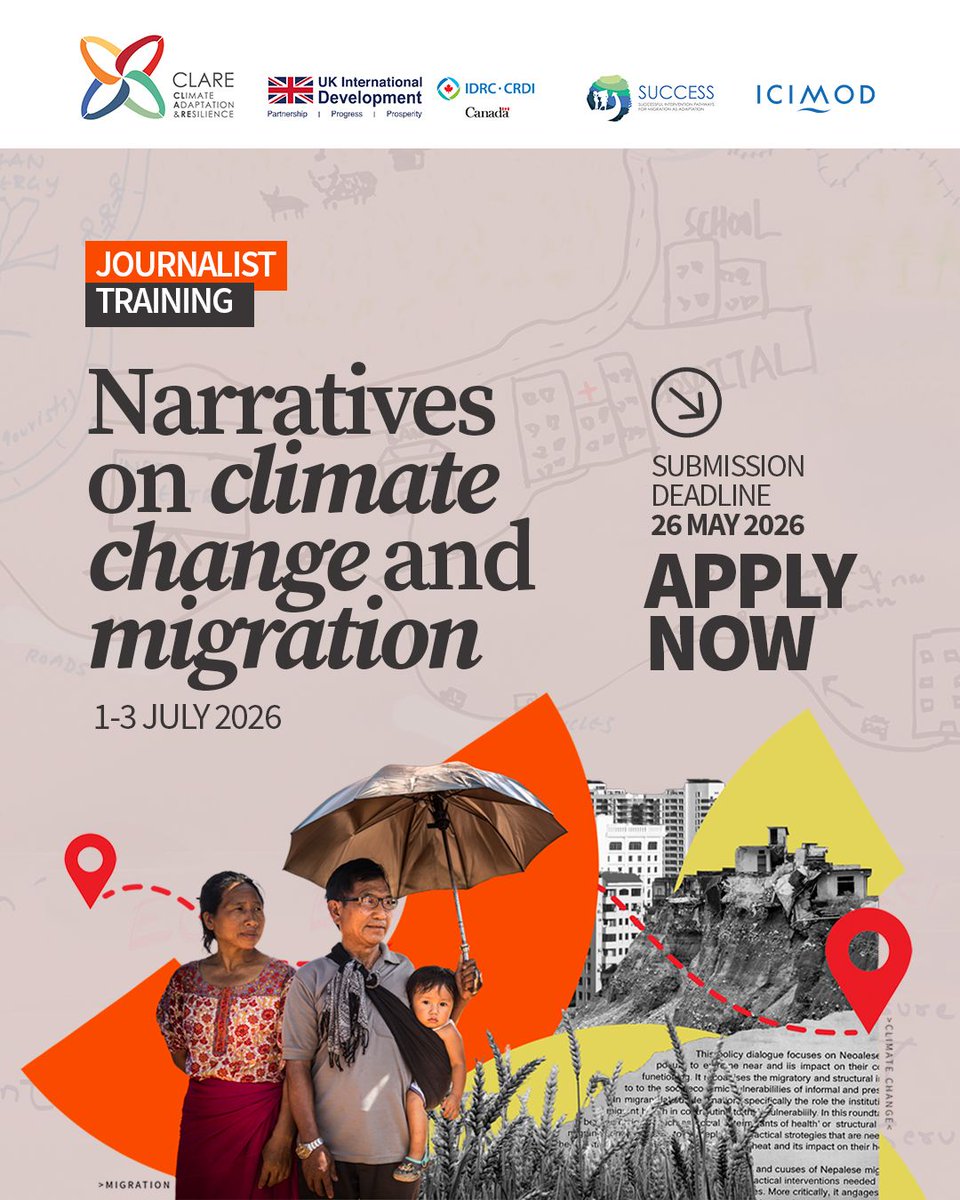
The International Centre for Integrated Mountain Development (ICIMOD) has announced an intensive Journalist Training Programme on Narratives of Climate Change and Migration, scheduled to take place from 1–3 July 2026 at its headquarters.
The training is designed to strengthen high-quality, evidence-based reporting on climate mobility across the Hindu Kush Himalaya (HKH) region.
This programme brings together early- and mid-career journalists from South Asia to improve storytelling, deepen scientific understanding, and promote more ethical and nuanced media coverage of climate-related migration.
Overview of the Training Programme
The ICIMOD journalist training focuses on the intersection between climate change, human mobility, and livelihoods. It aims to equip participants with the skills needed to report accurately on complex environmental and social issues affecting vulnerable communities across South Asia.
Key thematic areas include:
- Climate-induced migration and displacement
- Livelihood vulnerability and resilience
- Human mobility as a form of adaptation
- Ethical and evidence-based journalism practices
- Data interpretation and climate science communication
The programme emphasizes moving beyond simplistic or crisis-driven narratives and instead promotes balanced, context-sensitive reporting.
Purpose and Strategic Importance
Climate change is increasingly shaping migration patterns worldwide, particularly in environmentally sensitive regions like the Himalayas. Rising temperatures, extreme weather events, and resource insecurity are forcing communities to adapt in different ways, including relocation and seasonal migration.
The training addresses the need for journalists to better understand and communicate these realities by:
- Challenging misinformation and stereotypes about migration
- Highlighting lived experiences of affected communities
- Strengthening science-based storytelling
- Improving the quality of climate journalism in South Asia
The programme ultimately aims to improve public understanding of climate-related mobility and its implications for development and policy.
What Participants Will Learn
The training is structured around practical learning sessions, group exercises, and expert-led discussions. Participants will develop both technical and analytical skills for improved reporting.
Key learning outcomes include:
- Improved understanding of climate science and migration dynamics
- Skills in interpreting and using climate and migration data
- Ethical storytelling and responsible journalism practices
- Visual and multimedia storytelling techniques
- Ability to challenge dominant media narratives
- Stronger professional networks across the region
Participants will also engage in newsroom simulations, story pitch labs, and collaborative analysis of real-world reporting examples.
Training Agenda Highlights
The three-day programme is divided into thematic learning blocks:
Day 1: Climate Change, Migration, and Media Narratives
Participants explore global and regional perspectives on climate mobility, common misconceptions, and the language used in reporting. Sessions include:
- Climate and migration terminology
- Myth-busting in media narratives
- Rural-to-urban migration and displacement patterns
- Journalist peer exchange sessions
Day 2: Data and Storytelling
Focus shifts to evidence-based reporting and visual storytelling techniques:
- Understanding climate and migration data
- Identifying trends and newsworthy insights
- Intersectional reporting approaches
- Migration as adaptation strategies
- Visual framing and ethical media use
Day 3: Editorial Practice and Story Development
Participants work on real story development and pitching:
- Media narrative analysis across South Asia
- Ethical review of climate migration reporting
- Group newsroom simulations
- Story pitch development workshops
Expected Outcomes
By the end of the training, participants are expected to:
- Produce at least one published or broadcast story on climate migration
- Strengthen ethical and evidence-based journalism practices
- Join a regional network of climate migration reporters
- Improve storytelling approaches on environmental issues
- Contribute to long-term collaboration among journalists in the HKH region
Selected stories are expected to be published or broadcast by December 2026 in local or international media.
Who Can Apply
The training is open to early- and mid-career journalists from South Asia who report on environmental and climate-related issues. Eligible applicants must be based in countries within ICIMOD’s working region:
- Bangladesh
- Bhutan
- India
- Myanmar
- Nepal
- Pakistan
Applicants are expected to have:
- At least 2–4 years of journalism experience
- Experience reporting on environmental issues
- Basic multimedia skills (photography, video, or editing preferred)
- Strong interest in climate and migration storytelling
- Availability for the full training period
Women journalists and applicants from marginalised communities are strongly encouraged to apply.
Funding and Support
The programme is fully funded by ICIMOD and its partners. Selected participants will receive comprehensive support covering:
- International travel (where applicable)
- Accommodation and meals
- Visa and transport costs
- Training participation expenses
This ensures equitable access for journalists from across the region.
Application Timeline
Key dates for the programme include:
- Application deadline: 26 May 2026
- Training dates: 1–3 July 2026
- Participant selection announcement: prior to training
Late or incomplete applications will not be considered.
Why This Programme Matters
The ICIMOD journalist training plays a critical role in strengthening climate journalism in one of the world’s most climate-vulnerable regions. By improving how climate migration is reported, the programme helps ensure that public discourse is informed by evidence, grounded in lived realities, and sensitive to the complexities of human mobility.
It also contributes to building a regional community of journalists committed to accurate, ethical, and impactful environmental reporting
Final Thoughts
The ICIMOD 2026 Journalist Training on Climate Change and Migration is a valuable opportunity for journalists seeking to deepen their expertise in environmental reporting. By combining scientific knowledge, storytelling skills, and ethical frameworks, the programme empowers media professionals to shape more informed narratives about climate mobility in South Asia and beyond.
VISIT OFFICIAL WEBSITE HERE
For more opportunities such as these please follow us on Facebook, Instagram, WhatsApp, Twitter, LinkedIn and WPChannel
Disclaimer: Global South Opportunities (GSO) is not the organization offering this opportunity. For any inquiries, please contact the official organization directly. Please do not send your applications & CVs to GSO, as we are unable to process them. Due to the high volume of emails, we receive daily, we may not be able to respond to all inquiries. Thank you for your understanding
Journalist Training Programme on Climate Change and Migration
@International Centre for Integrated Mountain Development (ICIMOD)
Location
Global
Work Mode
fellowship
Posted
about 2 hours ago
Beware of scams! When applying for jobs, you should NEVER have to pay anything. Learn more.
Get jobs in your inbox
Join over 10,000 subscribers receiving our weekly newsletter.
You might also like
U.S. EPA Great Lakes Office Paid Fellowships 2026: Full-Time Opportunities for Recent Graduates in Chicago
Time Opportunities for Recent Graduates in Chicago
LEGO Foundation Fellowship
Social Science Research Council
Data Science Fellowship 2026
Data Science Africa
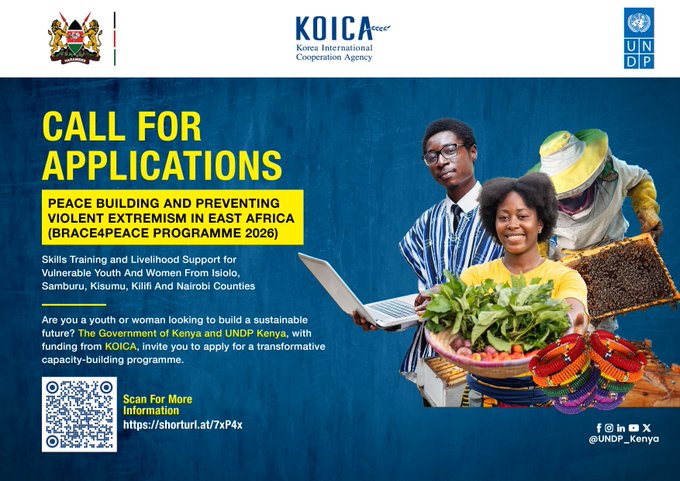
Peacebuilding and Prevention of Violent Extremism Programme
United Nations Development Programme
FIAS Fellowship Programme
French Institutes for Advanced Study (FIAS)
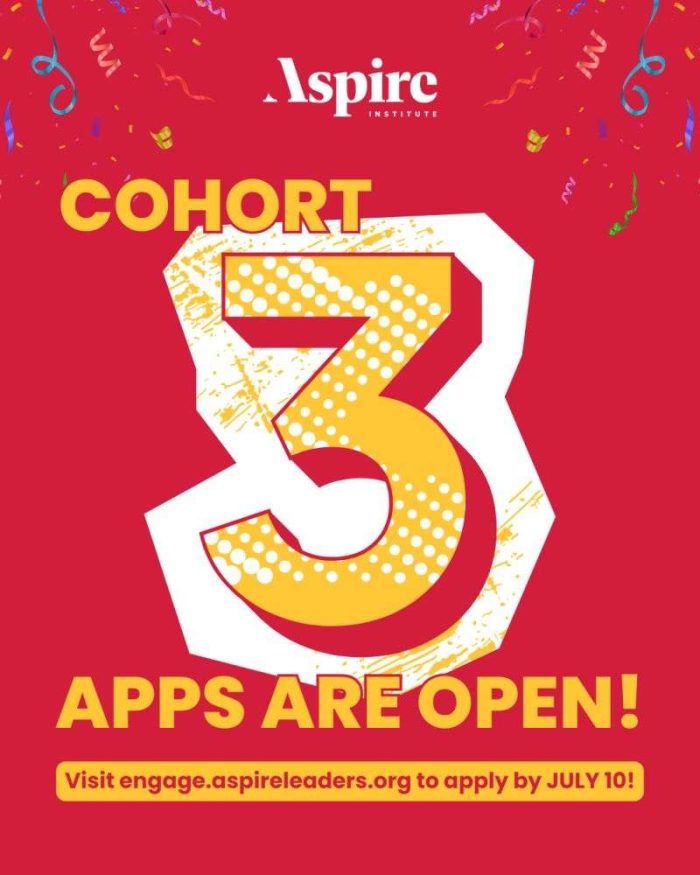
Aspire Leaders Program 2026 Cohort 3
Aspire Institute Inc