
Next Gen Campus Journalism Clinic 2026 for Student Journalists in Ghana and The Gambia: Fully-Focused Training Opportunity for Emerging Media Leaders @Focused Training Opportunity for Emerging Media Leaders
The Centre for Journalism Innovation and Development (CJID) has officially opened applications for the 2026 Next Gen Campus Journalism Clinic, an exciting capacity-building opportunity designed for aspiring student journalists in Ghana and The Gambia.
Organized through the Next Gen (Campus Reporter) Project, this initiative seeks to equip young journalists, storytellers, communicators, and campus media practitioners with the practical skills, ethical foundations, and digital tools needed to excel in today’s rapidly evolving media landscape.
The programme aims to nurture a new generation of media professionals capable of producing impactful journalism that promotes accountability, inclusion, democratic values, transparency, and social development across their campuses and communities.
The application deadline is Monday, 8 June 2026.
About the Next Gen (Campus Reporter) Project
The Next Gen Project, also known as the Campus Reporter Project, is a learning and mentorship platform developed by the Centre for Journalism Innovation and Development.
The initiative focuses on empowering young media practitioners across tertiary institutions in West Africa by providing training, mentorship, and exposure to modern journalism practices.
The programme recognizes the growing importance of:
- Ethical journalism
- Digital storytelling
- Data-driven reporting
- Fact-checking
- Investigative journalism
- Multimedia communication
- Information integrity
By strengthening these competencies, the project helps young journalists become more effective contributors to democratic governance and community development.
Why the Next Gen Campus Journalism Clinic Matters
The media landscape is changing rapidly due to technological advancements, social media expansion, misinformation challenges, and the growing demand for credible information.
Student journalists often serve as important voices within their institutions and local communities. However, many lack access to specialized training and mentorship opportunities.
The Next Gen Campus Journalism Clinic addresses this gap by providing participants with practical skills that will help them:
- Produce accurate and ethical journalism
- Combat misinformation and disinformation
- Amplify underrepresented voices
- Use digital tools effectively
- Develop investigative reporting skills
- Create impactful multimedia content
- Promote accountability and transparency
Training Focus Areas
Selected participants will undergo intensive practical training covering several critical journalism competencies.
1. Journalism Ethics and Responsible Reporting
Participants will learn the principles that guide professional journalism, including:
- Accuracy
- Fairness
- Objectivity
- Accountability
- Public interest reporting
The training will emphasize responsible reporting practices that strengthen public trust in journalism.
2. Gender-Sensitive Reporting and Inclusive Storytelling
The programme will help participants understand how to report stories in ways that:
- Promote inclusion
- Reduce harmful stereotypes
- Reflect diverse perspectives
- Elevate marginalized voices
Participants will learn techniques for producing more equitable and representative journalism.
3. Data Journalism and Story Interpretation
Data is becoming increasingly important in modern journalism.
Participants will learn how to:
- Analyze data
- Interpret statistics
- Identify trends
- Use data to support stories
- Present complex information clearly
These skills can help journalists create evidence-based reporting that informs audiences effectively.
4. Open Source Intelligence (OSINT) Techniques
OSINT has become a vital tool for journalists worldwide.
Participants will be introduced to methods for:
- Gathering publicly available information
- Verifying online content
- Conducting digital investigations
- Monitoring developments across multiple platforms
These skills are increasingly valuable for investigative and digital reporting.
5. Fact-Checking and Verification
In an era of misinformation and disinformation, verification skills are essential.
The programme will train participants to:
- Verify information sources
- Identify misleading content
- Conduct fact-checking investigations
- Strengthen information integrity
These competencies help ensure accuracy and credibility in journalism.
6. Optimal Use of Social Media and Search Engines for Story Amplification
Participants will learn strategies for:
- Growing audience engagement
- Increasing story visibility
- Using search engines effectively
- Leveraging social media platforms professionally
- Expanding the reach of impactful journalism
This training helps journalists maximize the impact of their reporting.
7. Digital Storytelling and Multimedia Reporting
Modern audiences consume content across multiple formats.
Participants will gain practical knowledge in:
- Multimedia journalism
- Visual storytelling
- Digital content creation
- Interactive reporting
- Audience-centered communication
These skills can help student journalists adapt to contemporary media environments.
8. Reporting on Governance, Human Rights, and Social Issues
The clinic will also focus on reporting topics that shape communities and societies, including:
- Governance
- Human rights
- Social justice
- Civic participation
- Community development
Participants will learn approaches for covering sensitive issues responsibly and effectively.
Selection Criteria
Applications will be evaluated using several key considerations.
Demonstrated Interest in Journalism
Applicants should show genuine enthusiasm for journalism, storytelling, media, and communication.
Quality of Responses
The application form includes written questions that allow applicants to demonstrate:
- Critical thinking
- Communication skills
- Understanding of journalism principles
Strong, thoughtful responses will strengthen an application.
Previous Media Experience
Applicants with experience in:
- Campus media
- Student newspapers
- Blogging
- Storytelling
- Podcasting
- Content creation
may have an advantage, although experience is not necessarily mandatory.
Commitment to Ethical and Inclusive Journalism
The programme prioritizes applicants who demonstrate a strong commitment to:
- Ethical reporting
- Diversity and inclusion
- Responsible journalism
- Community impact
Potential for Community Impact
Applicants should show how they intend to apply the knowledge gained to benefit:
- Their campuses
- Local communities
- Student audiences
- Broader society
Gender Balance
The programme also seeks balanced representation and encourages applications from diverse groups.
Who Can Apply?
This opportunity is specifically designed for students interested in journalism and media practice.
Applicants must:
- Be students currently enrolled in a tertiary institution
- Have an interest in journalism, media, storytelling, or communication
- Be based in Ghana or The Gambia
- Be willing to fully participate in the programme
Application Requirements
Applicants will be required to provide information including:
Personal Information
- Full name
- Email address
- Phone number
- Gender
- Nationality
- State or region
Academic Information
- Name of institution
- Course of study
- Level or year of study
Student Identification
Applicants must upload:
- School ID card
- Or another valid form of student identification
Journalism Experience
Applicants will be asked about:
- Campus press membership
- Published content
- Journalism training attended
- Storytelling experience
Written Responses
Applicants must answer questions such as:
- Why they want to participate
- How ethical and inclusive journalism can improve society
These responses play an important role in the selection process.
Benefits of Participating
Selected participants will gain:
Practical Journalism Training
Hands-on learning from experienced media professionals.
Digital Journalism Skills
Exposure to modern reporting tools and techniques.
Networking Opportunities
Connections with fellow student journalists and media practitioners.
Enhanced Employability
Valuable skills that strengthen future careers in:
- Journalism
- Communications
- Media
- Public relations
- Digital storytelling
- Development communication
Mentorship Opportunities
Access to guidance and support from journalism professionals.
Application Deadline
Monday, 8 June 2026
Applicants are encouraged to submit their applications before the deadline.
Interested applicants can explore the Next Gen/Campus Reporter Project here
Discover more training opportunities on OFY here
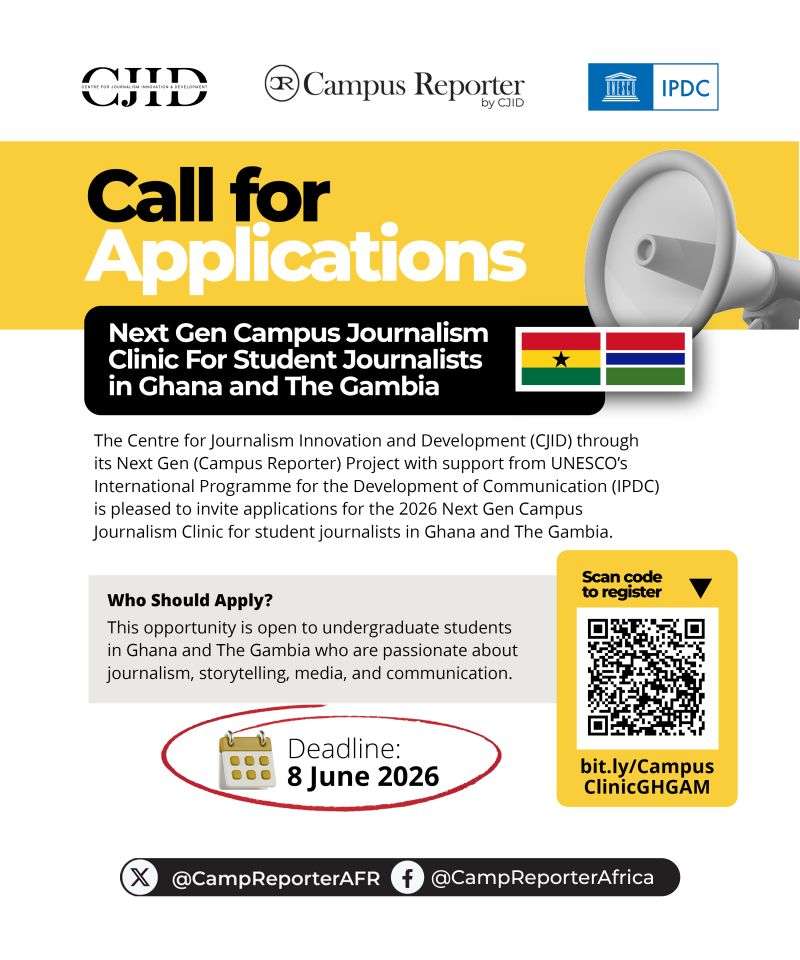
Next Gen Campus Journalism Clinic 2026 for Student Journalists in Ghana and The Gambia: Fully-Focused Training Opportunity for Emerging Media Leaders
@Focused Training Opportunity for Emerging Media Leaders
Location
Global
Work Mode
africa
Posted
about 5 hours ago
Beware of scams! When applying for jobs, you should NEVER have to pay anything. Learn about job scams.
Get jobs in your inbox
Join over 10,000 subscribers receiving our weekly newsletter.
You might also like

Global Survivor Council Member
Brave Movement
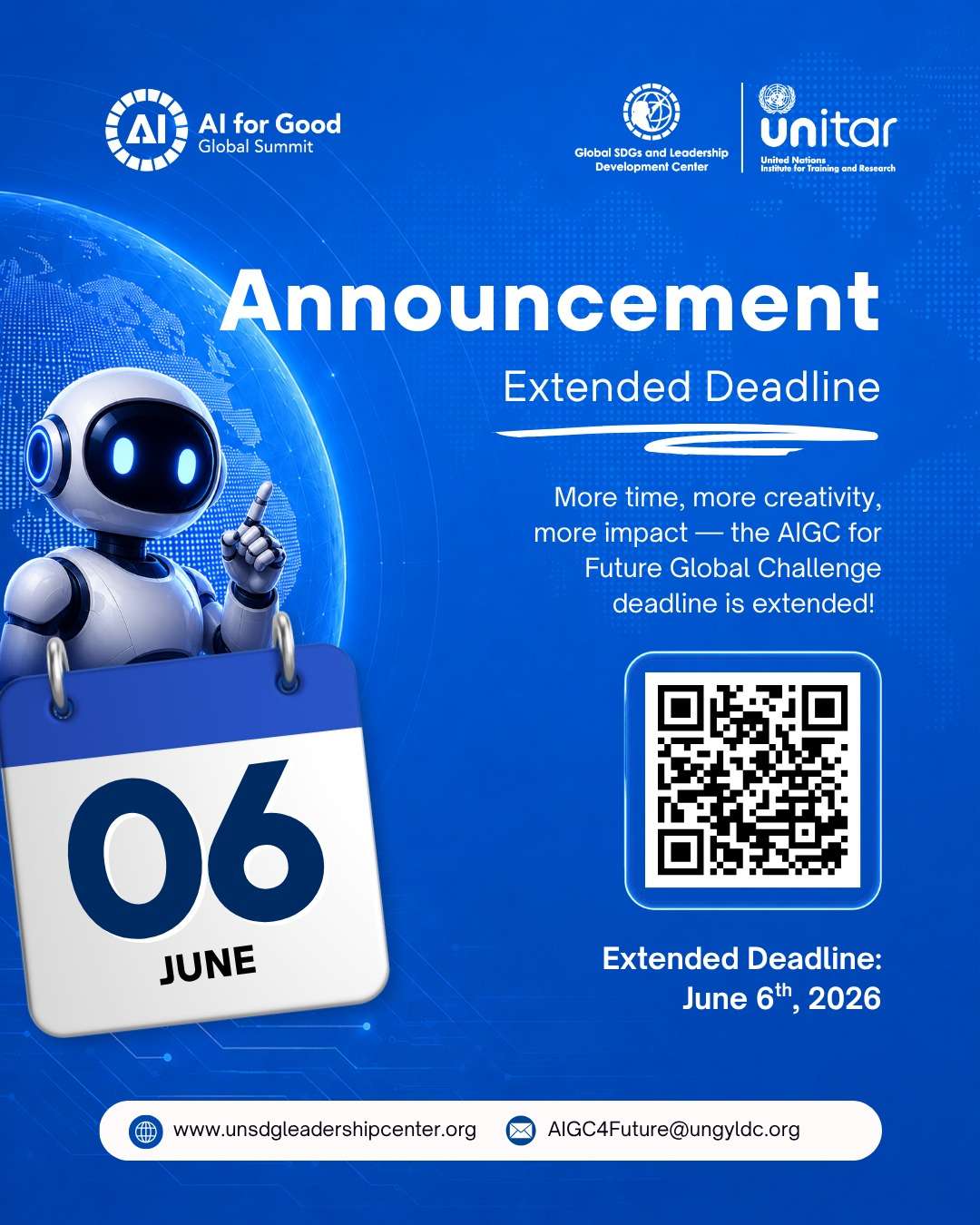
AIGC for Future Global Challenge 2026: Win USD 10,000 and Showcase Your AI-Generated Creativity on a Global Stage in China and Switzerland
Generated Creativity on a Global Stage in China and Switzerland
MEST AI Startup Program 2027: Fully Immersive Opportunity for Aspiring African AI Entrepreneurs to Build and Scale High-Impact Startups
Impact Startups
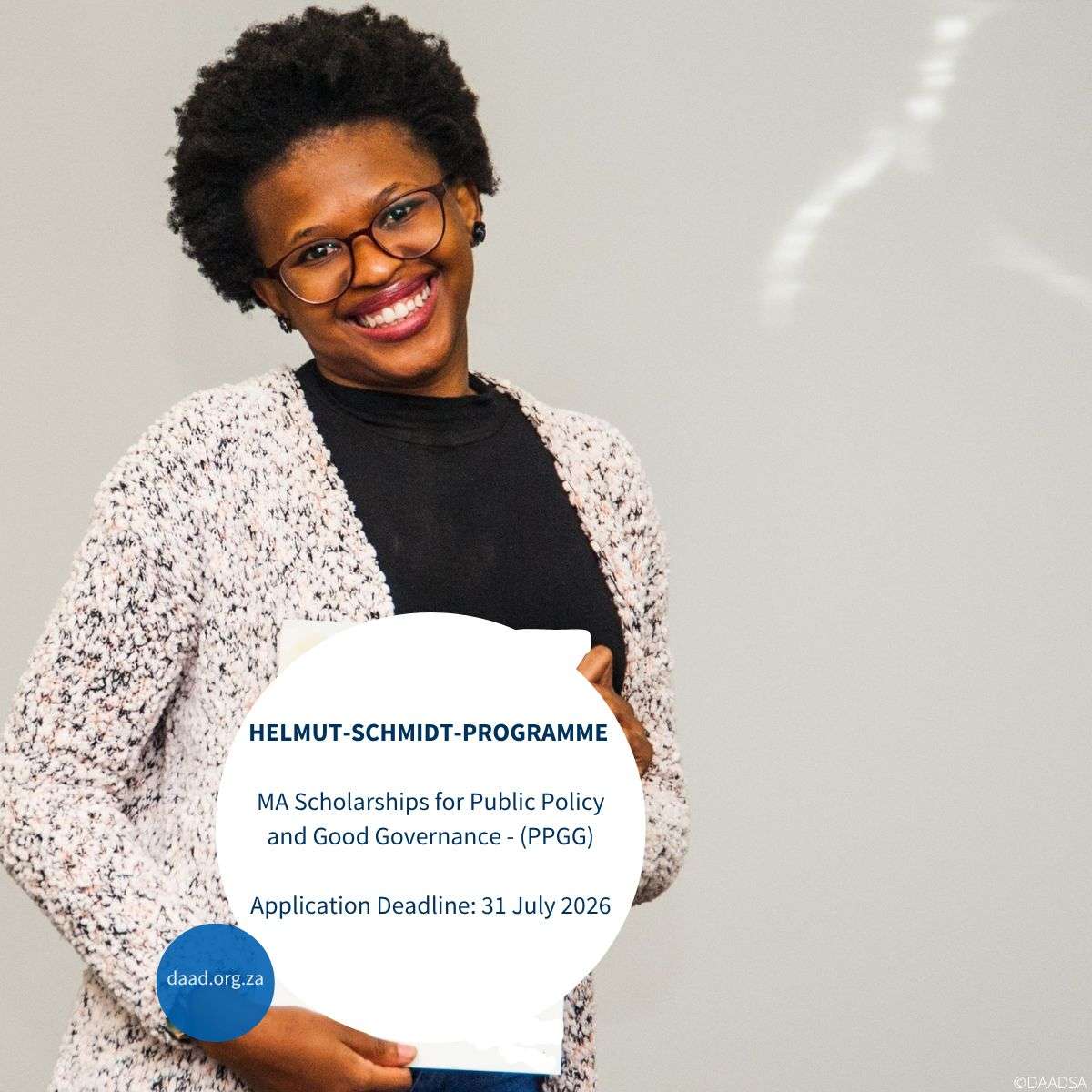
DAAD Helmut-Schmidt-Programme 2027 in Germany: Fully Funded Master’s Scholarships for Future Leaders in Public Policy and Good Governance
Schmidt-Programme 2027 in Germany: Fully Funded Master’s Scholarships for Future Leaders in Public Policy and Good Governance
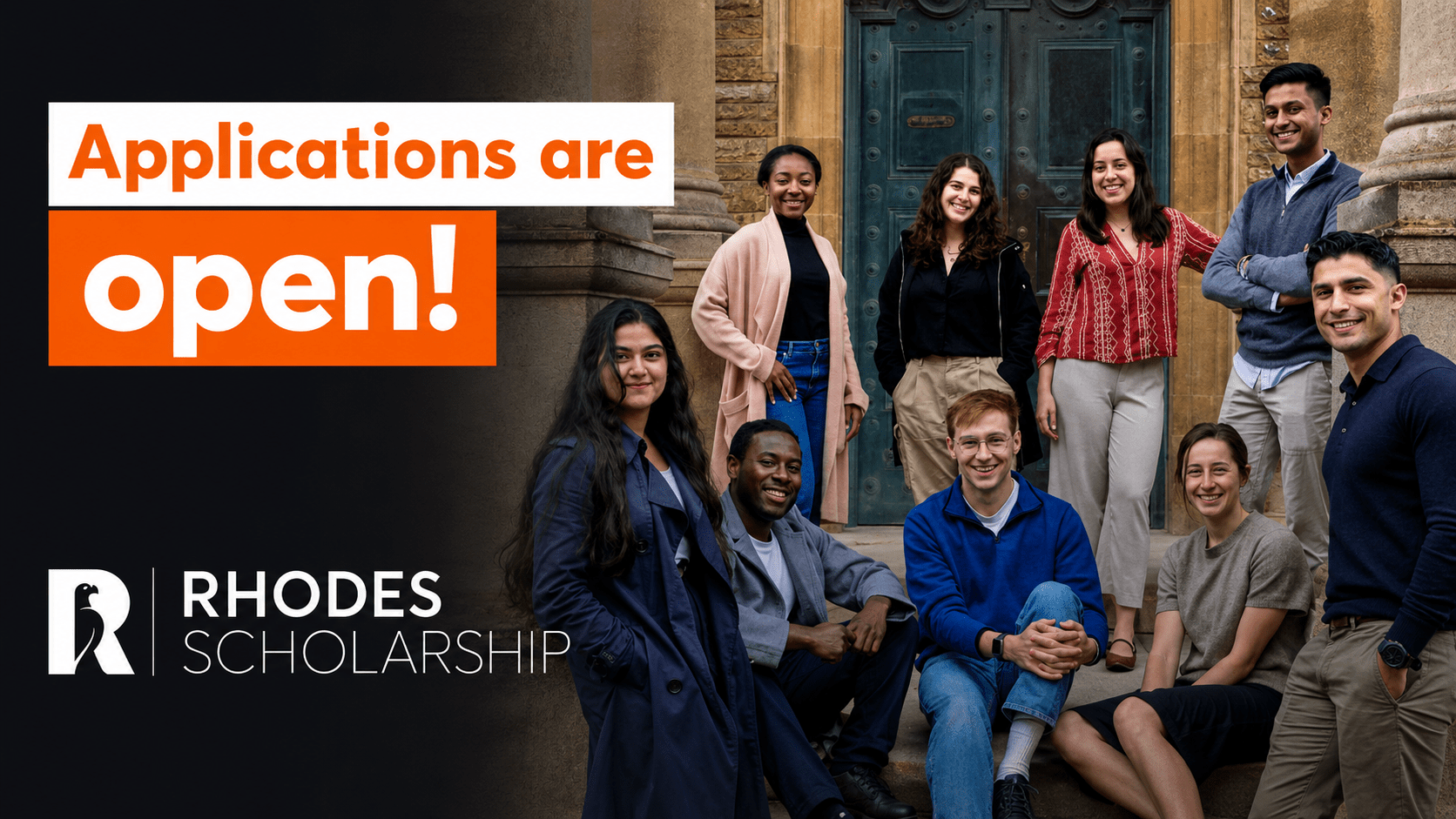
Rhodes Scholarship 2027 at the University of Oxford: Fully Funded Postgraduate Scholarship for Global Leaders
the University of Oxford: Fully Funded Postgraduate Scholarship for Global Leaders

Quantitative Research Assistant
University of Oxford